
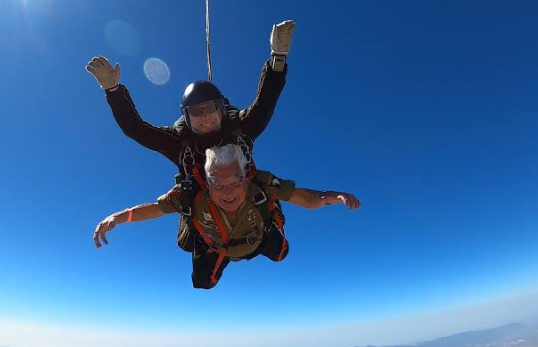
The thrill of skydiving is an exhilarating experience that many teenagers dream of undertaking. Youth skydiving programs offer exciting opportunities for young adventurers, but they also come with specific rules and regulations that must be followed to ensure safety and enjoyment.
1. Age Requirements and Parental Consent
Most skydiving centers require participants to be at least 18 years old to skydive independently. However, various youth programs have emerged for younger participants, typically setting the minimum age at around 12 to 16 years, depending on local laws and the specific facility’s policies. Importantly, parental consent is usually mandatory for any youth looking to jump, which means parents need to be actively involved in the decision-making process.
Each facility conducts assessments to ensure young divers are mature enough to handle the experience. This may include interviews or informational sessions to discuss safety concerns and expectations. Understanding the risks and benefits involved can help both parents and youths make informed decisions about participating in skydiving.
-
- Check age requirements at your local skydiving center.
-
- Ensure that parental consent forms are completed and submitted.
-
- Participate in information sessions offered by the skydiving facility.
-
- Discuss the experience and any fears with parents and instructors.
2. Safety Measures and Training Programs
Safety is a top priority in skydiving, especially for youth participants. Many reputable skydiving centers will provide thorough training before the jump, covering essential topics such as equipment use, emergency procedures, and freefall techniques. Ground school may last a few hours and includes both theoretical and practical instruction to prepare participants for the actual jump.
A tandem jump is a common choice for youth skydivers, where they are securely harnessed to an experienced instructor. This approach allows them to experience the thrill of the jump without managing all the responsibilities. Participants must still follow strict safety protocols, including proper gear fitting and understanding the jump process.
-
- Attend all training sessions provided by the facility.
-
- Understand all safety procedures and emergency protocols.
-
- Choose tandem jumping if you are new to the sport.
-
- Complete a gear check before each jump.
3. Opportunities for Certification and Beyond
For those who find a passion for skydiving, pursuing a certification can be a rewarding pathway. The United States Parachute Association (USPA) offers an Accelerated Freefall (AFF) program, which allows participants as young as 16 to begin their journey toward skydiving independence. This program includes comprehensive training, progression through various jump levels, and mastery of skills needed to skydive solo.
Youth skydiving can also lead to other exciting opportunities, including participating in competitions, skydiving exhibitions, and community events. Building connections with instructors and other jumpers can also open doors for mentorship, further enhancing the learning experience and enthusiasm for the sport.
-
- Consider enrolling in a certification program after a few jumps.
-
- Join local skydiving clubs or groups to meet other enthusiasts.
-
- Explore competitive opportunities suitable for young divers.
-
- Keep practicing and refining your skills steadily.
Starting a youth skydiving journey can be an empowering way for young adventurers to challenge themselves and foster independence. While the thrill of freefalling is unmatched, understanding the rules and opportunities available will enhance the experience. Parents and participants should remain informed, prioritize safety, and enjoy every step of the process.