
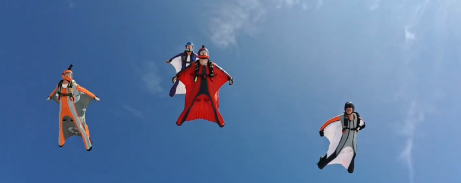
Wingsuit flying in Norway offers an exhilarating blend of breathtaking scenery and the thrill of flight. Whether you are a seasoned flyer or a curious beginner, this complete adventure guide will help you navigate through this incredible experience and make the most of your time in Norway’s stunning landscapes.
1. Getting Started with Wingsuit Flying
Before you take to the skies, it’s crucial to get the right training. Many companies in Norway offer wingsuit flying courses, where certified instructors will teach you the fundamentals. These courses typically cover safety procedures, equipment handling, and the mechanics of flying a wingsuit. Expect to spend several hours learning on the ground, followed by jumps to practice what you’ve learned.
It’s essential to have a solid base in skydiving before attempting wingsuit flying. Most instructors require a minimum of 200 jumps, including experience with jumps from various altitudes. Once you meet these criteria, you can transition to wingsuit training; this step ensures your safety as you learn to navigate the air currents while wearing a wingsuit.
-
- Complete a skydiving certification (typically A-License or equivalent).
-
- Practice ground training thoroughly before your first jump.
-
- Always prioritize safety; follow your instructor’s guidance.
-
- Consider joining a wingsuit community or finding a mentor.
2. Best Locations for Wingsuit Flying in Norway
Norway boasts some of the most stunning landscapes for wingsuit flying. Sjusjøen and Voss are highly recommended due to their picturesque mountains and valleys that provide ideal drop zones. Voss, in particular, is known for its adventure sports and has established an excellent infrastructure for skydivers and wingsuit enthusiasts. You can enjoy a picturesque view of fjords, lakes, and rugged cliffs as you soar through the air.
Another popular spot is the Lysefjord, where the dramatic landscapes offer breathtaking views over the cliffs and water below. This region is perfect for those who want to combine their wingsuit adventure with sightseeing. Imagine gliding above the stunning Pulpit Rock, taking in its beauty from an entirely new perspective!
-
- Research the location’s accessibility and facilities beforehand.
-
- Check local weather conditions for optimal flying conditions.
-
- Consult your instructor on the best time to fly at the chosen location.
-
- Consider joining local wingsuit camps for a more immersive experience.
3. Essential Gear for Wingsuit Flying
Having the proper gear is vital for a successful wingsuit flying experience. The most critical piece of equipment is obviously the wingsuit, which allows you to glide smoothly through the air. Beginners might rent equipment from a local facility, while experienced flyers may prefer to invest in a custom-made wingsuit that fits snugly and meets their flying style.
Aside from the wingsuit, you’ll also need a reliable parachute system with an automatic activation device. This added safety layer is crucial for ensuring that your parachute deploys if you find yourself in a difficult situation. Other equipment like helmets, goggles, and altimeters are also necessary for ensuring a safe and enjoyable experience. Always ensure that your gear is regularly maintained and up to standards.
-
- Rent or purchase a wingsuit that fits well and suits your flying style.
-
- Invest in a high-quality parachute system with a ballistic reserve.
-
- Wear protective gear including a helmet and goggles at all times.
-
- Check your equipment for proper functionality before every jump.
4. Safety Tips for Wingsuit Flying
Safety must be your top priority when wingsuit flying. Understanding and respecting the risks associated with the sport can significantly minimize the chances of an accident. Always jump with a buddy or as part of a group, as flying with others can provide an added safety net. Maintain open communication with fellow flyers and instructors regarding your plans and routes.
Studying the landing areas and practicing different angles of approach is crucial. Always have a plan B for alternate landing spots in case your first choice is not viable. Additionally, make sure to regularly check your gear for any wear and tear that might pose a risk during your flight.
-
- Always jump with a partner or in a group.
-
- Practice emergency procedures regularly.
-
- Study your landing zones before every jump.
-
- Keep communication open with your flying team.
5. Embracing the Adventure Spirit
Wingsuit flying in Norway is not just about the adrenaline; it’s also about connecting with nature and embracing the adventure. Take the time to enjoy the breathtaking views before, during, and after your jumps. Spend your downtime exploring the beautiful Norwegian landscape, hiking local trails, or visiting nearby villages to immerse yourself in the culture.
Engaging with fellow flyers and sharing stories about your experiences can deepen your understanding of the sport. Join local wingsuit forums or participate in community events to expand your network and learn more tips and tricks to enhance your flying journey. The camaraderie among wingsuit enthusiasts can make your experience even more memorable.
-
- Take time to enjoy the scenery during your flights.
-
- Explore local culture and cuisine during your stay.
-
- Engage with the wingsuit community for tips and camaraderie.
-
- Document your adventures through photos and videos.
Wingsuit flying is an incredible way to experience the beauty of Norway from a unique perspective. Embrace the preparation, gear up with the right equipment, and ensure you prioritize safety. Whether you’re just starting out or are an experienced flyer, the skies of Norway await—so plan your adventure today!