
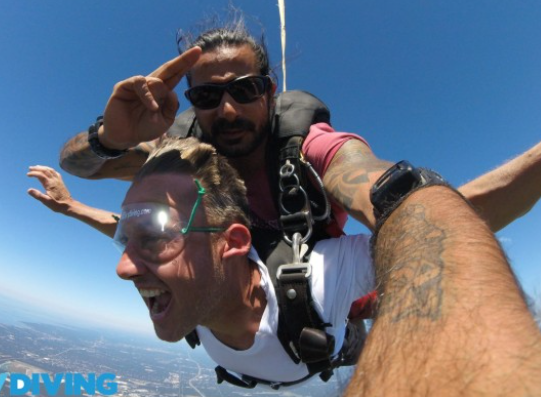
Skydiving offers an exhilarating experience unlike any other. However, the sudden changes in altitude can cause discomfort due to ear pressure. Understanding how to equalize your ear pressure safely before jumping is essential for a comfortable and enjoyable skydive.
1. Understanding Ear Pressure Changes
As you ascend during a skydive, the decrease in atmospheric pressure leads to a difference between the pressure inside your middle ear and that outside. This pressure imbalance can cause discomfort or even pain if not equalized properly. The eustachian tubes, which connect the middle ear to the back of the throat, play a crucial role in balancing this pressure.
When you’re at ground level, the pressure inside your ear is equal to the atmospheric pressure. However, as you climb to altitude, you may start to feel a feeling of fullness in your ears. If the pressure is not equalized quickly, this can escalate into more severe discomfort. Understanding this mechanism is key to addressing ear pressure effectively.
-
- Know the signs of pressure changes: fullness, popping, or pain.
-
- Be aware of your environment before jumping—are you congested or have allergies?
-
- Stay hydrated; dehydration can affect your eustachian tubes.
-
- Practice deep breathing to help relax your body and improve equalization.
2. Techniques for Equalizing Ear Pressure
One common method for equalizing ear pressure is the Valsalva maneuver. This technique involves taking a deep breath, pinching your nostrils, closing your mouth, and gently blowing as if you’re trying to exhale. This creates enough pressure to open the eustachian tubes, allowing air into the middle ear. It’s effective but should be done gently to avoid damaging your ears.
Another technique you can try is the Toynbee maneuver, which involves swallowing while pinching your nose. This method can be beneficial not just during ascent but also during descent when pressure changes rapidly. Utilizing these techniques throughout your dive can prevent moments of discomfort and ensure a more pleasant experience.
-
- Practice the Valsalva maneuver before your jump.
-
- Use the Toynbee maneuver during both ascent and descent.
-
- Maintain a steady swallowing motion—don’t force it.
-
- If you feel pain or severe discomfort, signal to your instructor for assistance.
3. Preparing for Your Skydive
Preparation is vital when it comes to managing ear pressure during a skydive. Before your jump, assess your health. If you’re feeling under the weather, especially with nasal congestion or sinus issues, it’s advisable to postpone your jump. Additionally, consider consulting with a medical professional if you’re uncertain about your ear health.
It’s also crucial to communicate your concerns with your instructor. They may provide advice on how to manage pressure changes based on their experience. Feeling prepared physically and mentally can greatly enhance your diving experience and minimize any discomfort caused by ear pressure.
-
- Consult a doctor if you have a history of ear issues.
-
- Communicate openly with your instructor about any concerns.
-
- Stay away from caffeine and alcohol before your jump; these can increase dehydration.
-
- Arrive early to acclimatize yourself before the jump.
4. Aftercare and Follow-Up
After your skydive, it’s essential to monitor how your ears feel. While mild discomfort might be common, persistent pain or a loss of hearing could indicate a medical issue that requires attention. If you experience any unusual symptoms, seeking professional help is highly recommended.
Continuing to practice ear equalization techniques regularly can help you prepare for future jumps. Engaging with others who skydive can provide shared experiences and insights, which can further aid in mastering ear pressure management. So, take notes and learn from each jump you make.
-
- Check for any unusual symptoms in your ears after jumping.
-
- Document your experiences to identify what worked best for you.
-
- Continue learning from seasoned jumpers about ear pressure management.
-
- Don’t hesitate to reach out to an ENT specialist if issues arise frequently.
In conclusion, by understanding ear pressure dynamics and practicing equalization techniques, you can make your skydiving experience much more enjoyable. Always prioritize your ear health and consult professionals if needed, and you’ll be able to enjoy the thrill of free-falling without discomfort.