
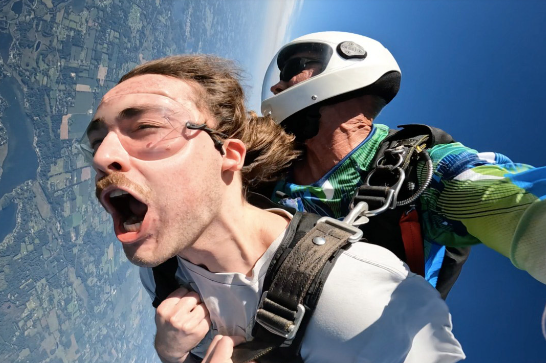
Skydiving is one of the most exhilarating experiences one can have, but for many, the excitement can be overshadowed by the fear of motion sickness. Whether you’re a first-time jumper or a seasoned veteran, understanding how to prevent motion sickness can enhance your skydiving experience. Here are some actionable strategies to keep that nausea at bay.
1. Choose the Right Time and Setting
Timing can make a significant difference when it comes to preventing motion sickness. Opt for a day with mild weather conditions; overcast days or those with strong winds can exacerbate feeling queasy. Additionally, try scheduling your jump for early in the day when your body hasn’t had time to become stressed and fatigued. Taking this approach sets the stage for a much smoother experience.
Many find that adverse feelings can heighten if they are jumping at a lower altitude, where the ground rush is more intense. By allowing enough height during the free fall, you ease the body into the sensation, reducing the likelihood of nausea. Choose a facility known for high-altitude jumps when planning your trip.
-
- Check weather forecasts and select a mild day.
-
- Avoid scheduling jumps during fluctuating weather conditions.
-
- Choose morning slots for optimal body readiness.
-
- Consider higher-altitude jumps for a smoother experience.
2. Prepare Your Body and Mind
Your physical state prior to skydiving plays a crucial role in your susceptibility to motion sickness. Staying hydrated and well-nourished is key. Dehydration can exacerbate feelings of nausea, while a heavy meal can lead to discomfort. Opt for light snacks that are easy to digest, like bananas or crackers, and refrain from consuming alcohol the night before. This preparation can help stabilize your body’s reaction during the jump.
Mental preparation is equally important. Anxiety can heighten the experience of motion sickness, so practice relaxation techniques before your jump. Deep breathing exercises, visualization, or even mindfulness can refocus your mind onto the excitement rather than the dread, facilitating a more enjoyable experience. Many skydiving facilities offer pre-jump briefings; make sure to pay attention and engage with the instructor.
-
- Stay hydrated in the days leading up to your jump.
-
- Eat light, easily digestible meals before jumping.
-
- Practice relaxation techniques like deep breathing.
-
- Engage with instructors and ask questions during briefings.
3. Utilize Physical Techniques
In addition to mental preparation, employing specific physical techniques can further assist in mitigating motion sickness. Focus on stabilizing your head and body during free fall, using your arms and legs to create a steady orientation. A relaxed body reduces the feeling of turbulence and disorientation, which can lead to nausea. Hold a stable position, and resist tensing up, as that can amplify discomfort.
Another technique involves looking at a fixed point in the distance rather than focusing on the ground directly beneath you. This can help your brain process motion sensations more effectively and can significantly reduce feelings of nausea. Skydiving instructors can guide you on stability techniques, so don’t hesitate to ask for tips specifically tailored to minimize motion sickness.
-
- Keep your body relaxed and stable during free fall.
-
- Focus on a fixed point in the distance to minimize dizziness.
-
- Employ breathing techniques to maintain relaxation.
-
- Ask your instructor for physical techniques to stabilize your body.
4. Medication Options
If you’ve experienced severe motion sickness in the past, consider discussing medication options with your doctor before your jump. Over-the-counter remedies, like meclizine or dimenhydrinate, can be beneficial for managing symptoms. Take the medication as directed, usually about an hour before your skydive, to ensure maximum effectiveness. Just be cautious to assess how the medication affects you beforehand.
In addition to traditional medications, there are also natural alternatives. Some people find that ginger tablets or acupressure bands can help alleviate nausea. While these alternatives are generally well-tolerated, it’s essential to trial them before your jump day to ensure they don’t have an adverse effect. Always consult with a healthcare provider before trying new medications.
-
- Consult with a doctor about suitable medication options.
-
- Time the medication correctly to allow for maximum effects.
-
- Consider natural alternatives such as ginger or acupressure bands.
-
- Do a trial run with any medication to test your reaction.
Skydiving is an unforgettable experience that should be enjoyed to the fullest, free from the discomfort of motion sickness. By choosing the right conditions, preparing your body and mind, using physical techniques, and considering medication when necessary, you can significantly decrease your chances of indigestion. Remember, preparation is key, so consult with professionals and plan ahead for an exhilarating dive into the skies.