
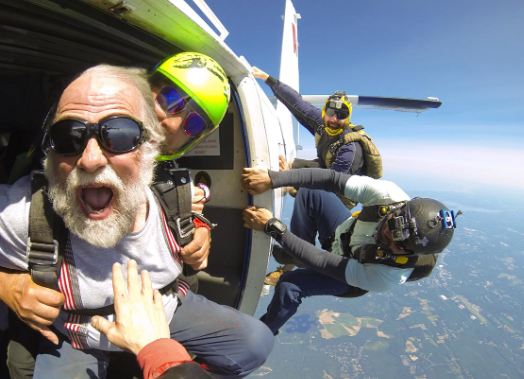
Skydiving is an exhilarating adventure that pushes the boundaries of physical and mental endurance. To ensure the best performance during your dive, what you eat beforehand can play a significant role in how you feel and react during this thrilling experience. In this post, we’ll explore some key dietary choices that can help maximize your skydiving performance.
1. Carbohydrates: Your Energy Source
Carbohydrates are crucial for providing the energy needed during physically demanding activities like skydiving. The best sources of carbohydrates for your pre-jump meal include whole grains, fruits, and vegetables. These not only offer a quick energy boost but also sustain your energy levels throughout the day. Aim for a meal that focuses on complex carbohydrates, as they digest slowly and maintain your energy for a longer time.
Choosing foods like oatmeal topped with bananas or a whole-grain wrap filled with nuts and veggies can be effective. Additionally, incorporating a small amount of protein can further enhance energy processing, giving your body the fuel it needs for the jump. Remember, timing is essential; eating these meals 2-4 hours before your jump can benefit your performance significantly.
-
- Opt for whole grains and fruits for sustained energy.
-
- Avoid sugary snacks that can lead to energy crashes.
-
- Eat your pre-jump meal 2-4 hours before diving.
-
- Consider a small protein addition for energy support.
-
- Stay hydrated to optimize your physical performance.
2. Protein: Supporting Muscle and Recovery
Including protein in your pre-skydiving meal can help support muscle function and recovery. A well-balanced meal that features protein not only keeps you feeling full but also aids in muscle repair and building. For your skydiving day, consider options like Greek yogurt, chicken breast, or a plant-based protein source such as beans or lentils. These offer long-lasting energy without causing sluggishness.
Eating protein-rich foods can also help stabilize your blood sugar levels, which is essential for maintaining focus and clarity. This is critical when you are preparing for a jump, as a clear mind can significantly enhance your ability to follow instructions and enjoy the experience. Aim to pair your protein with carbohydrates for the best results.
-
- Incorporate lean protein sources like chicken, fish, or legumes.
-
- Pair protein with carbohydrates for balanced nutrition.
-
- Avoid heavy, fatty foods that may cause discomfort during the jump.
-
- Consider a protein shake if you’re short on time.
-
- Don’t forget to hydrate; dehydration can affect performance.
3. Stay Hydrated: The Key to Optimal Performance
Hydration is often an overlooked aspect of pre-skydiving preparation, yet it plays a crucial role in overall performance. Beginning your day well-hydrated will enhance your energy levels and cognitive function while also preventing fatigue during the jump. Aim to drink plenty of water the day before and the morning of your jump. You might also consider electrolyte-rich drinks if you’re concerned about hydration levels.
Additionally, be aware of how dehydration can impact your performance and decision-making. Even mild dehydration can lead to reduced endurance and increased fatigue, which is the last thing you want when you are about to leap from an airplane! Start hydrating well ahead of time; don’t wait until the day of the jump to focus on your water intake.
-
- Drink water consistently the day before your jump.
-
- Consider electrolyte drinks if you’re active all day.
-
- Avoid excessive caffeine or alcohol; both can lead to dehydration.
-
- Monitor your hydration by checking urine color; it should be pale yellow.
-
- Replenish fluids immediately after your jump to recover quickly.
4. Foods to Avoid: Minimizing Risks
While selecting the right foods can boost your performance, it’s equally important to avoid foods that may hinder it. Heavy, fatty, or fried foods can lead to a sluggish feeling and possible digestive discomfort during your jump. Additionally, steer clear of large meals that can make you feel bloated or uncomfortable in your harness.
Also, be cautious with certain high-sugar or high-caffeine items. They might give you a quick boost, but they can also lead to rapid energy crashes, leaving you lethargic when it’s time to jump. Make mindful choices to ensure you feel light, energized, and prepared as you take that leap.
-
- Avoid heavy and greasy foods before your jump.
-
- Steer clear of excessive sugary snacks or treats.
-
- Limit caffeine intake to avoid dehydration and jitters.
-
- Don’t eat too closely before your jump; aim for 2-4 hours prior.
-
- Be aware of food allergens; they can cause unexpected reactions.
In conclusion, choosing the right foods before your skydiving adventure can make a significant difference in your performance and overall experience. By focusing on carbohydrates, proteins, hydration, and being mindful of what to avoid, you can set yourself up for a thrilling and successful dive. If you’re unsure or want personalized advice, consider speaking with a nutritionist to craft the perfect pre-jump meal plan.