
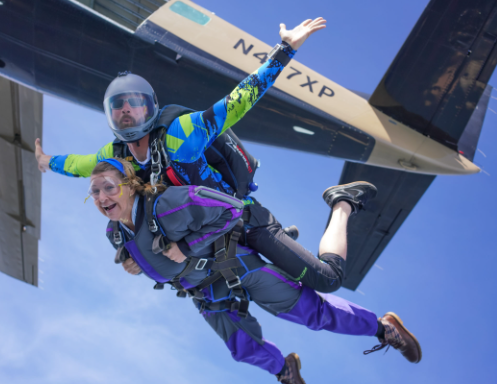
Skydiving is an exhilarating experience that many adventurers seek to capture. However, the choice of how to document this incredible journey can greatly affect the final results. In this post, we’ll explore the differences between hand cam and outside video techniques, so you can make an informed decision for your skydiving adventure.
1. Understanding the Hand Cam Perspective
The hand cam perspective involves a camera mounted on the skydiver’s helmet or hand. This method offers a unique vantage point, capturing the individual’s expressions and movements throughout the jump. Unlike traditional camera setups, hand cams provide a more personal take on the experience, allowing viewers to connect emotionally with the jumper.
For example, as you free-fall from thousands of feet in the air, the hand cam will capture your laughter, shouts, and even moments of awe as you take in the breathtaking scenery below. This immersive experience can make the video feel more like a story where you’re the main character, rather than just footage of a jump from afar. Plus, hand cams are often lighter and more maneuverable than bulkier camera systems.
-
- Ensure the camera is securely attached to avoid loss.
-
- Practice good camera angles for best results.
-
- Consider adding a protective casing for safety.
-
- Check battery life and memory before the jump.
2. The Benefits of Outside Video Footage
Outside video footage typically involves an external cameraman or a fixed camera outside the aircraft. This perspective offers a broader view of the jump, capturing not only the skydiver but also the stunning landscape unfolding beneath them. The cinematography can often result in more visually appealing shots, particularly during the free fall and parachute deployment phases.
Additionally, having an external camera allows for dynamic shots that can switch angles and perspectives, adding variety to the footage. A skilled videographer can create artistic shots that include aerial views of the entire jump, giving spectators a complete picture of the skydiving experience. These videos can be especially captivating when they showcase other skydivers or the beauty of the environment around you.
-
- Ensure the external videographer is experienced in skydiving photography.
-
- Plan your shot angles in advance to maximize visual impact.
-
- Communicate specific moments you want to capture.
-
- Check the quality and stability of the camera setup.
3. Comparing Costs and Value
When considering hand cam versus outside video, cost is a significant factor. Typically, hand cam setups can be less expensive, especially if you already own a camera. They often require fewer resources, as you can simply record your jump on the go, making it an accessible choice for budget-conscious adventurers.
Conversely, outside video services may come at a premium due to the expertise of the videographer and the specialized equipment used. However, the investment can pay off in terms of stunning visual quality and a professionally edited final product. This means while the initial cost may be higher, the value of having professional-grade footage can surpass the simplicity of hand cam recordings.
-
- Compare prices from different service providers.
-
- Assess the value of quality versus cost.
-
- Check for package deals that include both jump and video.
-
- Look for promotions or discounts for group bookings.
4. The Final Product: Editing and Sharing
Regardless of the technique, post-jump editing can greatly enhance the final product. Hand cam footage may require basic editing skills to cut and splice moments together effectively, whereas outside video typically comes with professional editing, creating a smooth and captivating narrative. This is where the magic happens, as both styles can be crafted into memorable keepsakes.
When it comes to sharing, consider how you want your footage to be presented. Social media platforms tend to favor shorter, dynamic clips that can showcase exciting moments from your jump. If your footage is professionally edited, it might be suitable to share on YouTube or other video platforms, where you can reach a wider audience and relive the experience over and over.
-
- Choose the right editing software for your footage.
-
- Highlight key moments to retain viewer interest.
-
- Share on platforms that suit your audience.
-
- Consider creating a montage for a more comprehensive story.
In conclusion, both hand cam and outside video options offer unique advantages depending on your personal preferences and storytelling style. Evaluate what aspect of the skydiving experience you wish to capture, and weigh factors like budget, perspective, and final product quality to make the best choice for your journey. Whichever option you choose, ensure it reflects the thrill and joy of your skydiving adventure!