
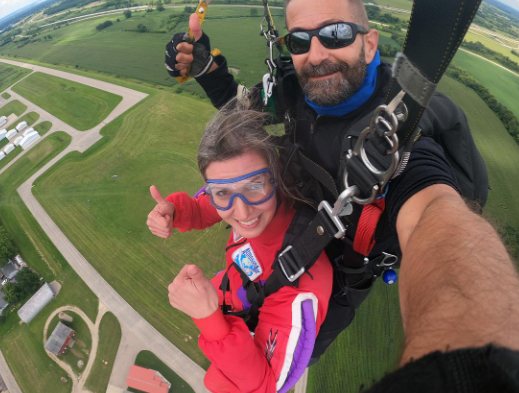
Skydiving is an exhilarating sport that attracts countless adventure seekers. Becoming a skydiving instructor not only offers the thrill of jumping from great heights but also provides an opportunity to guide others through their first leaps into the sky. In this blog post, we’ll explore the career path of a skydiving instructor, including salary expectations and the necessary steps to get started.
1. Understanding Skydiving Instructor Salaries
The salary of a skydiving instructor can vary significantly based on a few factors, such as location, experience, and the type of skydiving school. On average, instructors can expect to earn between $30,000 and $60,000 annually. However, top instructors at well-known facilities or those who specialize in tandem jumps may command even higher salaries, upwards of $100,000, especially during peak seasons.
It’s also important to remember that many instructors work as independent contractors, which means their earnings can fluctuate widely depending on the number of jumps they facilitate. Some instructors supplement their income through additional roles, such as training new instructors or leading advanced courses. This versatility can significantly enhance overall earnings in the field.
-
- Research salary ranges in your desired geographical area.
-
- Consider factors like peak seasons that may affect income.
-
- Explore opportunities to specialize in tandem jumps or advanced training.
-
- Connect with current skydiving instructors for insights on earnings.
2. The Path to Becoming a Skydiving Instructor
To become a skydiving instructor, you need to obtain specific certifications and accumulate substantial jump experience. The typical starting point is to earn your A-license through the United States Parachute Association (USPA), which requires a minimum of 25 jumps. After obtaining this license, aspiring instructors usually work towards the D-license, which allows them to instruct others after completing the required number of jumps and coursework.
In addition to technical skills, soft skills such as communication and patience are essential. Instructors are responsible for not just performing jumps but also ensuring students feel comfortable and safe during the entire process. Building rapport with students can lead to repeat business and referrals, which are vital for an instructor’s success.
-
- Join a certified skydiving school to start your training.
-
- Complete the required number of jumps to earn your A-license.
-
- Engage with experienced instructors for mentorship.
-
- Attend courses focused on teaching techniques and safety protocols.
3. Skills and Qualities of a Successful Skydiving Instructor
Besides the technical aspects of jumping, being a successful skydiving instructor requires a blend of interpersonal and organizational skills. Communication is vital; instructors must effectively convey safety information to students, ensuring they understand every aspect of the jump. Being approachable and friendly also helps students feel at ease, especially those who may be nervous about their first jump.
Furthermore, strong leadership and decision-making skills are crucial in emergency situations. Instructors must remain calm under pressure, providing clear instructions to ensure that both they and their students stay safe. Continuous training and education can help instructors stay current with industry standards and improve their skills.
-
- Develop strong communication skills through workshops or training.
-
- Practice leadership and decision-making in low-stress environments.
-
- Enroll in refresher courses to stay updated on safety techniques.
-
- Network with other instructors for shared learning and mentorship.
4. Career Advancement Opportunities in Skydiving
As you gain experience, there are various opportunities for career advancement within the skydiving industry. Instructors can choose to specialize in specific areas, such as freefly, wingsuit, or BASE jumping, which can lead to higher salaries and greater job satisfaction. Additionally, instructors may take on managerial roles at skydiving facilities or start their own skydiving schools.
Instructors also have the chance to be involved in the skydiving community beyond teaching. Participating in competitions, organizing events, or working as camera flyers for tandem jumps are excellent ways to enhance visibility and reputation in the industry. This exposure can lead to further opportunities, including sponsorships and partnerships with skydiving gear manufacturers.
-
- Explore specialization options to distinguish your skills.
-
- Consider managerial roles for increased responsibilities and pay.
-
- Stay active in competitions for networking and growth.
-
- Utilize social media to build your personal brand as an instructor.
In conclusion, a career as a skydiving instructor offers a unique blend of excitement and responsibility. With the right training, skills, and determination, you can soar to new heights in this exhilarating profession. If you’re ready to leap into this adventure, consider reaching out to your local skydiving schools to learn more about the possibilities that await you!