
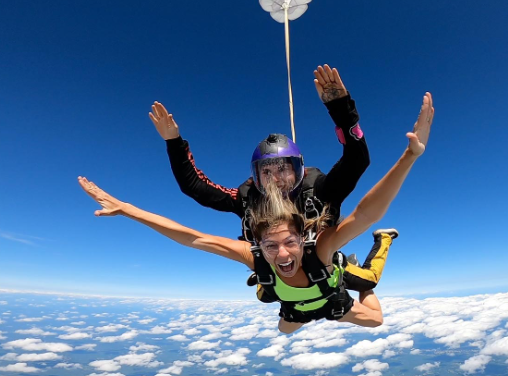
Skydiving is often considered one of the ultimate adrenaline experiences, drawing thrill-seekers from around the globe. But what exactly happens in our bodies when we jump from a plane? Let’s delve into the science behind the skydiving adrenaline rush.
1. The Biology of Fear and Excitement
When you leap out of an airplane, your body undergoes a series of physiological changes due to the sudden experience of fear and excitement. As you approach the edge and prepare to jump, your brain perceives the situation as a threat. This triggers the “fight or flight” response, releasing a flood of hormones, particularly adrenaline. Adrenaline increases your heart rate, elevates blood pressure, and prepares your muscles for rapid action.
The rush of adrenaline can make you feel invigorated and more alert. Alongside adrenaline, the body releases endorphins, which are natural painkillers that also elevate mood. This combination can explain why many individuals describe the experience of skydiving as euphoric, despite the initial fear. Understanding these reactions can make the experience less intimidating and more thrilling.
-
- Understand your body’s response to fear.
-
- Prepare mentally for the jump.
-
- Focus on the excitement rather than the fear.
-
- Know that you’re in a controlled environment.
-
- Remember that countless others have enjoyed this experience.
2. The Role of the Environment in Adrenaline Production
The environment plays a crucial role in the overall skydiving experience. When free-falling from a height of around 14,000 feet, skydivers encounter extreme situations: wind resistance, the sensation of falling, and breathtaking views. These environmental factors not only amplify the feelings of fear and excitement but also influence the release of adrenaline and other stress hormones. The sheer height and speed combined create a perfect storm for an adrenaline rush.
Scientists have shown that experiencing new or extreme environments can enhance the production of adrenaline even more. When a skydiver jumps from a plane, the rapidly changing environment, combined with sensory overload from wind rushing past and the vast landscape below, creates a unique experience that’s hard to replicate. This stimulation is crucial in producing that unforgettable adrenaline high.
-
- Choose a scenic drop zone for better visuals.
-
- Consider tandem jumps for first-timers.
-
- Understand weather conditions that can affect the jump.
-
- Prepare for sensory overload (sounds, sights, and feelings).
-
- Enjoy the thrill of acceleration as you fall!
3. The Psychological Effects Post-Jump
After experiencing a skydiving jump, many skydivers report significant psychological benefits. The exhilaration paired with overcoming fear can increase self-confidence and resilience. Completing such a daring challenge can foster a sense of achievement that extends beyond just the jump. This psychological boost encourages individuals to confront other fears in daily life, demonstrating the long-lasting effects of such extreme activities.
The “post-jump glow,” often described by adventurers, can last for hours, if not days. The endorphins and adrenaline lingering in the system contribute to a feeling of euphoria and can enhance overall well-being. Experts suggest that participating in extreme sports like skydiving can cultivate a personal identity centered around courage and adventure, promoting an adventurous spirit long after the jump.
-
- Reflect on your emotions immediately after the jump.
-
- Share your experience with friends or on social media.
-
- Consider journaling about your feelings post-jump.
-
- Use the experience to motivate yourself in other areas.
-
- Join skydiving forums or groups to connect with fellow enthusiasts.
In conclusion, skydiving is not just an adrenaline rush; it’s a scientific exploration of the body’s fascinating reactions to extreme situations. Whether you’re a seasoned jumper or contemplating your first dive, understanding these dynamics can deepen your appreciation for the experience. Consider reaching out to a skydiving professional to learn more and prepare for your next leap into adventure!