
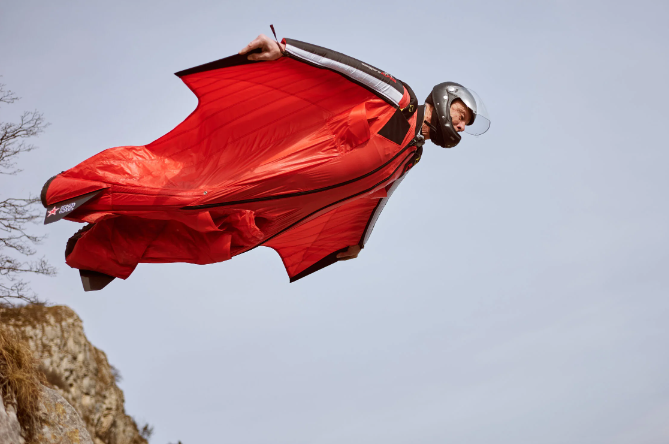
Wingsuit flying is not just an extreme sport; it’s a thrilling blend of physics and adventure. Understanding the underlying physics can seem daunting, but it doesn’t have to be. Let’s break it down in a simple and engaging way.
1. The Basics of Wingsuit Dynamics
A wingsuit, often seen as a “flying squirrel” suit, uses fabric between the arms and legs to create lift. As a wingsuit pilot jumps from a plane or a high cliff, gravitational force pulls them downward. However, the aerodynamic design of the suit allows for gliding through the air, slowing the descent while moving forward. The angle of the body and the configuration of the wings determine how effectively a pilot can glide.
This concept of lift versus gravity is fundamental. A wingsuit pilot can achieve horizontal speeds of up to 120 mph and vertical speeds of about 30 mph. This is significantly slower than free fall in a standard skydiving jump, which can reach speeds of 120 mph vertically. The combination of lift generation and drag is crucial for successful wingsuit flying.
-
- Choose the right wingsuit based on your skill level and conditions.
-
- Practice body positioning to maximize lift.
-
- Time your jump carefully for optimal wind conditions.
-
- Train in controlled environments before jumping into open air.
2. Aerodynamics and Control in the Air
Aerodynamics play a vital role in wingsuit flying, especially regarding how a pilot maneuvers in the air. The wingsuit’s design enables the pilot to control their flight path by shifting their body position. Leaning forward can increase speed, while pulling the arms and legs in can reduce drag for better control. This balanced manipulation of position and weight helps pilots navigate through the sky with ease.
- Practice timing your movement in response to wind changes.
- Maintain a relaxed body posture for better aerodynamic efficiency.
- Learn to use your arms and legs for directional control.
- Assess weather conditions thoroughly before flying.
3. The Importance of Safety and Training
No wingsuit flight is complete without an emphasis on safety. Engaging in this sport carries inherent risks, especially for beginners. Seeking professional training is imperative. Qualified instructors can teach essential skills, such as proper techniques for launching, navigating, and landing safely. Over time, as skills improve, so do the complexities of the jumps.
Moreover, safety equipment is non-negotiable. Wingsuit pilots should invest in a reliable parachute system, helmets, and protective gear. Understanding how to use these items correctly can make a significant difference in emergency situations. Regularly reviewing safety procedures and maintaining gear are fundamental to successful wingsuit flying.
- Enroll in an accredited wingsuit training program.
- Invest in high-quality safety equipment.
- Conduct regular equipment checks before each flight.
- Stay informed about the latest safety protocols from experts.
In conclusion, wingsuit flying is an exhilarating experience that combines skill, physics, and safety awareness. If you’re inspired to take flight, consider consulting with a professional instructor to get started safely. Embrace the adventure, and enjoy the freedom of the skies!