
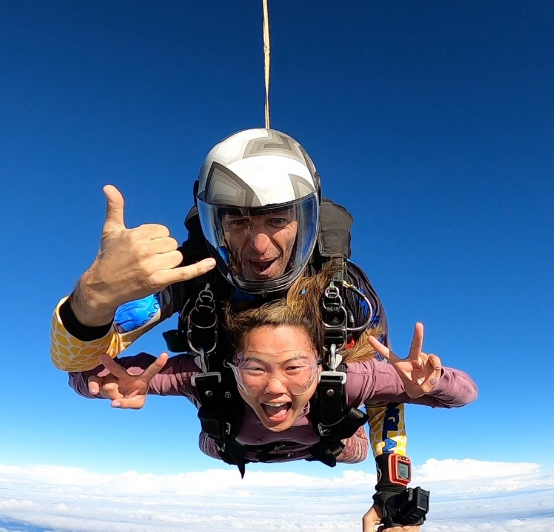
Skydiving is an exhilarating sport that requires precision and clear communication between jumpers and instructors. One key aspect of ensuring a successful jump is understanding jump signals and exit commands. In this post, we’ll break down the essential signals and commands used during skydiving, helping you prepare for your next leap into the skies.
1. The Importance of Jump Signals
Jump signals are crucial for the safety and coordination of both the skydiver and the aircraft crew. These signals provide a standardized means of communication that can be easily understood even amid the noise and excitement of a jump. For new skydivers, familiarity with these signals can enhance confidence as they prepare for their jump, knowing that they can convey their intentions clearly.
Common jump signals include hand gestures and verbal commands. For instance, raising your hand with a closed fist usually indicates “prepare to exit,” while extending your arm indicates “jump.” The use of these signals ensures that everyone on board is aligned and understands what’s happening. Miscommunication can lead to dangerous situations, making it vital to practice these signals.
-
- Familiarize yourself with all the hand signals before the jump.
-
- Practice them with your instructor during pre-jump training.
-
- Ensure everyone in your group knows the signals.
-
- Ask questions if you’re unsure about any signals.
-
- Stay calm and focused when using signals during the jump.
2. Exit Commands and Their Significance
Exit commands are verbal directives that instruct jumpers when to leave the aircraft. These commands are critical for maintaining a safe exit sequence and ensuring that everyone exits the plane in an orderly fashion. During training, you will learn various commands, and understanding them is essential to make your jump safe and enjoyable.
A common exit command is “Go!” which signifies that it’s time to jump. Other commands might include “Ready, set, go!” to prepare jumpers for the exit. Each command typically follows a countdown, giving you and your fellow jumpers time to mentally prepare. Miscommunication can lead to bottlenecks at the door, so paying attention and responding promptly is crucial.
-
- Listen attentively for exit commands during the flight.
-
- Maintain awareness of your fellow jumpers’ positions.
-
- Respond quickly and confidently to exit commands.
-
- Practice your jump position before the signal is given.
-
- Keep your gear secure and check that everything is in place.
3. The Role of Body Position Signals
Body position signals are essential once you’re in freefall. These signals help maintain stability and ensure that all jumpers are positioned correctly relative to one another. A stable jump helps to prevent collisions and allows for a more enjoyable experience. Understanding and mastering body positions is equally significant as exit commands.
Common body position signals include arm and leg placement instructions. For example, arms out to the side indicate a stable position, while arms close to the body can signal a transition to a more aerodynamic position. Learning to signal your body orientation will improve both your freefall experience and your ability to communicate effectively with teammates.
-
- Practice your body position before and during the jump.
-
- Understand different body signals and their meanings.
-
- Communicate with your jump team about body positions.
-
- Try to maintain a level and stable freefall orientation.
-
- Monitor your group for position adjustments.
4. Pre-Jump Checklist: Signals and Commands
Preparation is key to a successful skydiving experience, and a pre-jump checklist can help ensure that all signals and commands are understood and practiced. Having a checklist not only enhances safety but also boosts your confidence as you can systematically prepare for different scenarios that may arise during your jump.
A pre-jump checklist usually includes reviewing hand signals, exit commands, and body position signals. Practicing these elements ahead of the jump will help your body react instinctively when it’s time to exit the aircraft. This preparation can reduce anxiety and increase enjoyment, knowing that you and your team are on the same page.
-
- Review all signals with your instructor before the jump.
-
- Practice verbal commands with your jumping group.
-
- Familiarize yourself with emergency signals.
-
- Check your equipment for proper functionality.
-
- Establish a plan for communication post-exit.
Understanding skydiving jump signals and exit commands equips you with the tools needed for a safe and successful experience. The world of skydiving is both thrilling and demanding, but with practice and preparation, you can embrace the sky with confidence. As you consider your next jump, take the time to consult with your instructor or a professional, and ensure you’re fully prepared for the adventure ahead.