
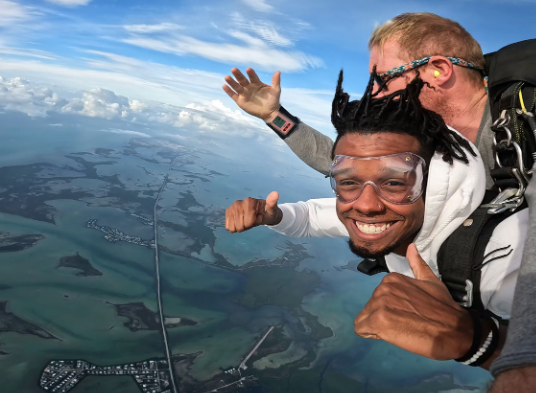
Skydiving is an exhilarating sport that draws adventure seekers from all walks of life. However, choosing the right weather conditions is crucial for a safe and enjoyable experience. Knowing when to jump can make all the difference in ensuring both safety and fun.
1. Ideal Wind Conditions
Wind plays a significant role in skydiving safety. While light and variable winds are optimal, strong gusty winds can present challenges that make it difficult to control your descent. Generally, winds under 10 mph are considered safe for beginners, while experienced jumpers may handle up to 20 mph, depending on their skill level and the type of jump being conducted.
Wind turbulence can also impact your landing zone, making it hard to predict where you will land. Jumping in gusty winds can lead to unexpected shifts during your freefall and landing, increasing the chance of accidents. Always check local wind conditions before your jump, and consult with experienced instructors about the suitability of current weather for skydiving.
-
- Always check windspeed early on jump day.
-
- Consult jump instructors about acceptable wind limits.
-
- Consider a personal wind meter for accurate readings.
-
- Be aware of wind patterns in the area you’re jumping.
-
- Avoid jumping during high wind advisories.
2. Cloud Cover and Visibility
Visibility is another key factor in ensuring a safe skydiving experience. Clear skies are ideal; however, conditions with scattered clouds at higher altitudes might still be appropriate depending on wind and other weather factors. A general rule of thumb for visibility is at least 3 miles, allowing jumpers to spot their landing area clearly.
Low clouds and fog can obscure your view during freefall and make it difficult to navigate towards your landing zone. Such conditions can lead to confusion, especially for novice jumpers. Always refer to the visibility forecasts and avoid jumping if conditions are less than optimal, as safety should always come first.
-
- Check local visibility forecasts before your jump.
-
- Understand the cloud cover limits for your jump type.
-
- Consider a day with minimal cloud coverage for first-time jumps.
-
- Monitor the weather continuously leading up to your jump.
-
- Use experienced jumpers as a resource for cloud observations.
3. Temperature and Precipitation
Temperature also plays a critical role in skydiving safety. While jumping in cooler temperatures is usually fine, extremely cold conditions can pose risks, such as hypothermia. Proper gear, including insulated jumpsuits and gloves, is vital in colder climates, and jumpers must understand how temperature affects not only their comfort but also their equipment.
Precipitation, such as rain or snow, can make skydiving dangerous. Wet conditions Can reduce visibility and control. Wet parachutes can also dangerously alter the descent and landing, increasing the chance of accidents. Therefore, it is essential to avoid jumping in inclement weather, as these conditions make it challenging to execute a safe landing.
-
- Check temperature forecasts and dress accordingly.
-
- Avoid jumps during or after significant rain or snowfall.
-
- Use appropriate gear to combat cold weather.
-
- Be prepared to postpone if precipitation occurs unexpectedly.
-
- Stay hydrated, especially in warmer conditions.
Understanding the best weather conditions for safe skydiving is crucial for both novice and experienced jumpers alike. Always consult with professionals and make weather checks part of your routine. Remember, prioritizing safety can lead to the most rewarding experiences in the sky.