
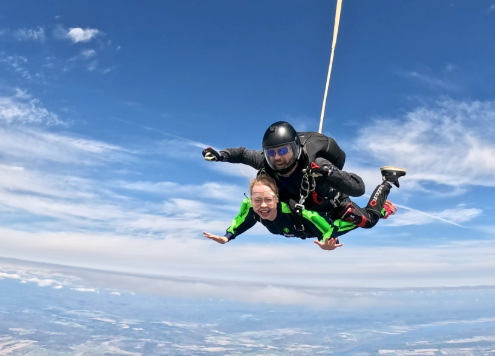
Skydiving is an exhilarating sport that attracts adrenaline junkies and adventure seekers from around the world. However, age limits vary by country, making it essential for aspiring skydivers to understand the regulations governing this thrilling activity. In this post, we will explore the skydiving age limit rules in several countries, highlighting the requirements and recommendations for potential jumpers.
1. United States
In the United States, the Federal Aviation Administration (FAA) sets forth specific regulations regarding the age limit for skydiving. The legal age to skydive is 18 years. This policy ensures that all jumpers are legally considered adults and can make informed decisions about their safety and experience. Furthermore, most skydiving centers require jumpers to provide a valid form of identification to confirm their age before participating.
Young adults aged 16 or 17 can skydive with parental consent, although this varies slightly between states and individual drop zones. Typically, these centers may require parents or guardians to be present to sign a liability waiver. It’s crucial for families to review all local regulations and choose a reputable skydiving center that prioritizes safety.
-
- Always carry valid identification to prove your age.
-
- Check if parental consent is needed for those under 18.
-
- Choose a licensed skydiving center with a good safety record.
-
- Review safety protocols and discuss them with your instructor.
2. United Kingdom
The United Kingdom has a similar age limit for skydiving, where the minimum age requirement is also 18 years. Underage jumpers can participate, but they must be at least 16 years old and have signed parental consent. The British Parachute Association (BPA) regulates these activities, ensuring that all operators adhere to strict safety standards and guidelines.
For young skydivers, parents must be involved in the process. Consent forms usually include detailed information about the risks of skydiving, ensuring that guardians fully understand the activity their children are engaging in. This requirement not only protects the facility, but also instills a sense of responsibility among jumpers and their families.
-
- Understand the benefits of jumping with a regulated instructor.
-
- Ensure parental consent is properly documented.
-
- Discuss safety concerns openly with your skydiving center.
-
- Find instructional material that explains the process clearly.
3. Australia
In Australia, the legal age for skydiving is also set at 18 years. However, much like in the UK and the US, individuals aged 16 and 17 can jump if they obtain parental consent prior to the jump. Skydiving in Australia is governed by the Australian Parachute Federation (APF), which aims to ensure both safety and enjoyment for all participants.
Australian drop zones typically provide comprehensive training and safety briefings before a jump. Parental consent forms usually include sections that notify parents about the physical requirements, risks associated with the sport, and safety measures in place. Parents are encouraged to educate themselves about the jump process to better support their young skydivers.
-
- Research different skydiving centers for safety ratings.
-
- Make sure consent forms are filled out correctly and respectfully.
-
- Attend training sessions with your child to gain comfort.
-
- Inquire about any specific local regulations or requirements.
4. Canada
In Canada, the minimum age for skydiving is set at 19 years; however, youths aged 16 and 17 can skydive only with parental consent. The Canadian Sport Parachuting Association (CSPA) oversees skydiving regulations to ensure all operators maintain safe practices. This protects both individuals and the industry as a whole.
For minors wishing to dive, instructors ensure that all jumpers receive thorough briefings regarding procedures and safety measures. Consent forms must specifically outline the inherent risks of skydiving, allowing parents to make informed decisions about their children’s participation. Parents should feel free to ask any questions they may have to gain a better understanding of the sport.
-
- Verify that the center you choose is CSPA-certified.
-
- Ensure oversight during juvenile participation.
-
- Request a detailed briefing from instructors about safety measures.
-
- Participate in discussions surrounding safety protocols.
5. New Zealand
New Zealand is known for its adventure sports, including skydiving. The legal age for jumping is 18, though those aged 16 and 17 can skydive with parental consent. The New Zealand Parachute Federation (NZPF) regulates the sport, emphasizing safety arrangements and the use of qualified professionals during jumps.
The process of securing parental consent generally involves comprehensive documentation, ensuring that both parties understand the risks associated with skydiving. New Zealand skydiving centers typically provide an engaging experience, combining breathtaking views with rigorous safety protocols. Understanding these measures not only reassures parents but also enhances the overall skydiving experience.
-
- Research local skydiving options thoroughly.
-
- Read client testimonials and experiences for safety insight.
-
- Prepare yourself and any under-aged jumpers for the experience.
-
- Ask the center about their safety record before jumping.
Understanding the skydiving age limit rules in different countries is crucial for aspiring jumpers and their families. By knowing the legal requirements and engaging with certified skydiving centers, individuals can embark on their skydiving adventure safely and confidently. If you’re considering skydiving, consult a professional to explore your options and prepare for the thrill of a lifetime!