
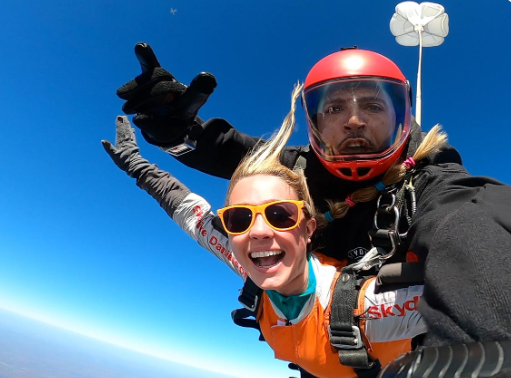
Skydiving is an exhilarating experience that many thrill-seekers crave. However, numerous myths surround the activity, especially concerning something as vital as breathing during freefall. In this blog post, we will delve into the truths and misconceptions about breathing while skydiving, providing you with factual information to ease any fears you may have.
1. The Impact of Freefall on Breathing
When you jump from an aircraft, the sensation of freefall can be overwhelming. The rush of air against your body creates a unique environment, which leads many to believe you cannot breathe. In reality, while it may feel different, breathing is entirely possible. The airflow can be intense, but your body naturally adjusts to this change, allowing you to inhale and exhale.
Many first-time jumpers report a feeling of tightness in their chest; this is often a reaction to the exhilaration of the moment rather than a lack of air. In fact, skydiving instructors are trained to help you focus on your breathing and maintain calmness throughout the jump. This focus deeply influences your ability to enjoy the freefall experience while still being able to breathe comfortably.
-
- Stay calm and focused on your breathing.
-
- Practice taking deep breaths during training sessions.
-
- Listen to your instructor for breathing tips before the jump.
-
- Try to relax and enjoy the rush; this helps maintain steady breathing.
2. The Myth of Hypoxia at High Speeds
Another common misconception is that the altitude at which you skydive leads to hypoxia—or insufficient oxygen—due to lower air pressure. However, this is not typically a concern during recreational skydiving. Generally, jumps occur from around 13,000 to 15,000 feet, an altitude where oxygen remains sufficient for a brief period.
Even at these heights, your body functions normally. Although rapid altitude changes can evoke concerns about oxygen levels, skydiving professionals are aware of these factors and implement measures to ensure safety. For instance, skydivers usually deploy their parachutes before reaching lower altitudes, allowing your body to adjust accordingly.
-
- Understand that recreational skydiving relies on altitudes well within safe ranges.
-
- Discuss your concerns with instructors beforehand; they are experts in these scenarios.
-
- Familiarize yourself with symptoms of hypoxia to stay informed.
-
- Always obey altitude protocols and safety measures during jumps.
3. Breathing Techniques for Skydiving
Having effective breathing techniques can enhance your skydiving experience. Many jumpers find that practicing square breathing—inhale for four seconds, hold for four seconds, exhale for four seconds, and hold for four seconds—can help maintain control and calmness. This technique also keeps your focus on your body’s oxygen needs rather than the anxiety many feel before a jump.
Additionally, breathing exercises can help improve your lung capacity and efficiency in a high-intensity situation like skydiving. Regular practice of these techniques can help you feel more relaxed and present during your freefall, resulting in a more enjoyable experience. It’s beneficial to engage in these practices during your training to ensure they become second nature.
-
- Practice square breathing techniques regularly to develop your skills.
-
- Incorporate lung exercises into your fitness routine.
-
- Use visualization strategies to mentally prepare for the jump.
-
- Talk to experienced jumpers for additional breathing tips.
4. Preparing for Your Skydive: The Breathing Checklist
Preparation plays a key role in ensuring a fun and safe skydive. One area often overlooked is breathing preparation. Before your jump, ensure that you have mentally and physically primed yourself to handle the sensations you will experience. A systematic checklist can help, making sure you’ve covered every aspect that will ease your worries.
When preparing for your skydive, remember to hydrate adequately. Dehydration can lead to fatigue, making it more challenging to focus on your breathing. Furthermore, if you’ve practiced your breathing exercises, you’ll be more equipped to handle the rush of wind as you descend. Check off these items each time you prepare for a jump to ensure you’ve done everything possible for a successful experience.
-
- Ensure you’re well-hydrated before your jump.
-
- Go through your breathing exercises multiple times.
-
- Check equipment and double-check with your instructor.
-
- Revisit safety protocols to bolster your confidence.
Skydiving can be one of life’s most thrilling experiences, and understanding the facts about breathing can alleviate some of the anxiety associated with it. By preparing effectively and practicing your breathing techniques, you can enhance your enjoyment and safety. If you’re considering taking the plunge, consult with a professional skydiving instructor who can guide you through every step of the adventure.