
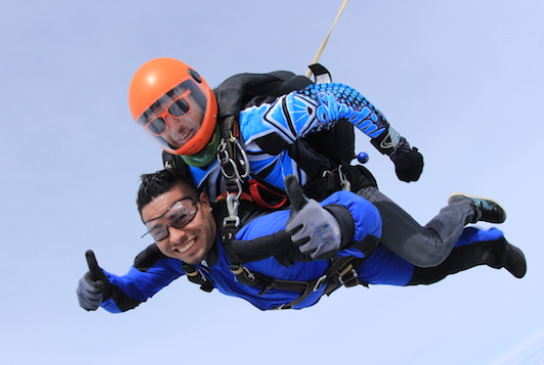
Skydiving is often seen as the ultimate thrill, combining the rush of freefalling with breathtaking views. While it’s an exhilarating experience, the reality of skydiving accidents should be acknowledged. This blog will delve into accident statistics and safety practices, offering insights for both novice and experienced jumpers.
1. Understanding Skydiving Accident Statistics
Skydiving, like any extreme sport, carries inherent risks. The United States Parachute Association (USPA) provides comprehensive data, revealing an average of around 15 fatalities per year from skydiving accidents. While this may seem alarming, it’s essential to put it in perspective; with hundreds of thousands of jumps occurring annually, the fatality rate is approximately 0.01%. However, these statistics can be skewed by various factors, including jump methods and experience levels.
According to the USPA, the majority of fatalities are associated with equipment failure, misjudgments during landing, and improper training. For instance, around 30% of fatalities in recent years have been attributed to canopy issues, such as malfunctioning parachutes. As such, understanding these statistics helps emphasize the importance of thorough training, proper equipment maintenance, and adherence to safety protocols to minimize risk.
-
- Stay informed about accident statistics from reliable sources.
-
- Understand the differences in risk based on experience levels.
-
- Study equipment failure causes to improve your preparedness.
-
- Engage in skydiving discussions to broaden your perspective.
2. Key Safety Practices in Skydiving
The key to enjoying skydiving lies in understanding and implementing safety practices. Before each jump, thorough equipment checks should be a non-negotiable part of your routine. Always ensure that your parachute is properly packed and that you’ve checked all your gear, including altimeters and automatic activation devices (AADs). Many accidents occur because of broken or improperly functioning gear, so taking this extra time can pay off significantly.
Additionally, ensuring you have adequate training from certified professionals is crucial. Joining a reputable skydiving school can aid in learning not just about the jump but also about emergency procedures and situational awareness while in freefall. For instance, being aware of weather conditions before a jump can prevent accidents related to wind and visibility issues.
-
- Conduct a thorough pre-jump equipment check.
-
- Engage in regular training and refreshers.
-
- Always check the weather for safe jumping conditions.
-
- Familiarize yourself with emergency protocols and procedures.
3. The Importance of Personal Responsibility and Awareness
Every skydiver plays a role in ensuring their safety and that of their fellow jumpers. Personal responsibility is paramount, which includes staying within your experience levels and not taking unnecessary risks. For example, attempting advanced maneuvers without the required skill can lead to disastrous outcomes. Furthermore, as a jumper, being aware of your surroundings during the descent can increase your chances of landing safely and recognizing potential hazards.
Additionally, skydivers should adhere strictly to their training. For instance, underestimating the importance of maintaining the correct body position during freefall can lead to stability issues, which might culminate in dangerous scenarios. Remember, the most significant safety net is an educated and aware skydiver who adheres to established guidelines and personal limitations.
-
- Always jump within your skill level and experience.
-
- Be vigilant and aware of your surroundings during a jump.
-
- Practice safe body positioning to maintain control.
-
- Communicate with fellow jumpers about your intentions and concerns.
Skydiving can be one of the most thrilling experiences, bringing with it a sense of freedom unlike any other. However, being aware of statistics, implementation of safety practices, and personal responsibility can drastically reduce risks. Before embarking on your skydiving adventure, consider consulting with professionals and ensure you are equipped with knowledge and skills for a safe and enjoyable jump.