
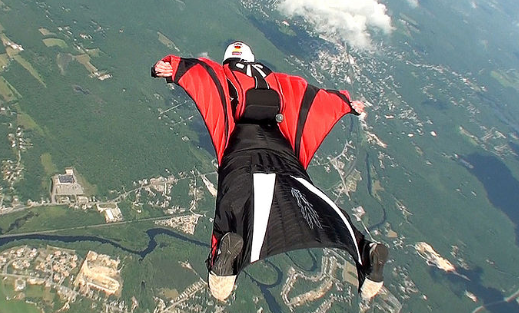
Wingsuit flying has captivated many adventure enthusiasts, drawing them into its world of speed and adrenaline. However, the thrill of soaring through the skies comes with inherent risks that deserve serious consideration. In this blog post, we will explore how dangerous wingsuit flying really is and what you need to know before attempting it.
1. Understanding the Risks
Wingsuit flying is undeniably thrilling, but the practice is not without its dangers. Statistically, wingsuit flying has a higher fatality rate compared to other extreme sports, with estimates suggesting that there are around 1 in 500 wingsuit jumps resulting in death. The primary risks include collision with terrain, inadequate deployment of parachutes, and miscalculations during flight. Understanding these risks is essential for anyone considering this exhilarating sport.
Moreover, the environment plays a substantial role in wingsuit flying safety. Factors such as wind conditions, terrain, and even weather changes can significantly impact a flight. A wingsuit flyer must not only be skilled in maneuvering through the air but also possess a keen sense of weather patterns and land characteristics to avoid potential hazards. A well-informed wingsuit flyer will know when conditions are not optimal for flying, thereby enhancing their chances of safely completing their jump.
-
- Research local wingsuit flying spots for potential hazards.
-
- Stay updated on weather conditions before jumping.
-
- Familiarize yourself with emergency protocols and procedures.
-
- Always fly with experienced partners who can give advice and support.
2. Training and Preparation
The importance of proper training and preparation cannot be overstated when it comes to wingsuit flying. Many wingsuit pilots suggest undergoing extensive skydiving training before even considering wearing a wingsuit. A minimum of 200 skydives is often recommended, allowing flyers to gain a substantial understanding of freefall dynamics, parachute opening, and landing techniques.
Each wingsuit offers distinct features and capabilities, making it vital to choose the right one that aligns with your skill level and experience. New learners should adopt a gradual approach, starting with simpler suits that offer greater control and stability before attempting advanced models that require more skill and confidence. This awareness not only increases performance but also reduces the risk of accidents.
-
- Complete rigorous training in skydiving.
-
- Practice using a wingsuit in safe conditions with supervision.
-
- Select a wingsuit that matches your experience level.
-
- Utilize simulators for additional practice if available.
3. Safety Equipment and Best Practices
Effective safety equipment plays a crucial role in mitigating the risks associated with wingsuit flying. The most fundamental piece of equipment is, of course, the wingsuit itself, but it is equally important to invest in a reliable parachute system. A main parachute and a reserve parachute should always be used, and both need to be packed according to industry standards to ensure safe deployment.
Seasoned wingsuit pilots emphasize the necessity of equipping themselves with additional safety gear. This might include an automatic activation device (AAD), which opens the reserve parachute if the flyer fails to do so at a designated altitude. Furthermore, utilizing helmets and other protective gear can serve as added safeguards against potential injuries. Adopting best practices after each jump, such as regular equipment checks and reviewing performance, can also contribute to Flyers’ overall safety.
-
- Always use a parachute with an automatic activation device.
-
- Wear head protection to minimize injury risk.
-
- Perform gear checks before every jump.
-
- Document each flight for future analysis and improvement.
4. Community and Support
Joining a community of wingsuit flyers can enhance not only safety but also learning. Established wingsuit communities offer training sessions, skill-sharing workshops, and mentoring opportunities for beginners. Engaging with experienced flyers can provide insights and tips that enhance one’s flying experience and knowledge, addressing potential dangers with adequate preparation.
Networking with fellow enthusiasts also enables pilots to partake in group jumps, which not only enhances the thrill but also offers extra safety. Jumping with a team means additional eyes on the situation, which may result in quicker problem resolution in case of difficulties. The benefits of being part of a supportive network are twofold: emotional support and practical safety measures.
-
- Join local or online wingsuit flying communities.
-
- Engage in training sessions with knowledgeable mentors.
-
- Participate in group jumps for added safety.
-
- Attend workshops to build skills and gain confidence.
In conclusion, wingsuit flying is an exhilarating sport that embodies both beauty and danger. By understanding the risks, diligently preparing through appropriate training, utilizing safety equipment, and getting involved in a supportive community, aspiring wingsuit flyers can significantly enhance their safety and enjoyment. If you are considering taking the plunge, be sure to consult with experienced flyers and take the steps needed to prepare adequately for this awe-inspiring adventure.