
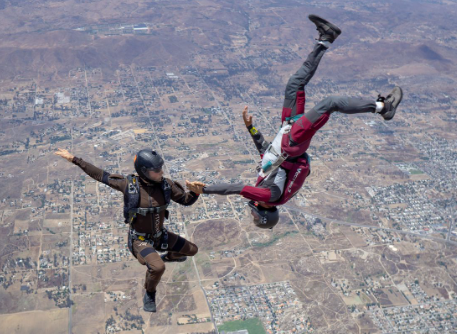
Skydiving and BASE jumping are two exhilarating activities that attract thrill-seekers around the globe. While both involve jumping from high places, their differences are profound, shaping the experiences, risks, and techniques involved. This post will explore the key differences between skydiving and BASE jumping, helping you understand which might be right for you.
1. The Basics of Skydiving
Skydiving typically involves jumping from an aircraft at altitudes ranging from 10,000 to 15,000 feet. The process includes a controlled descent using a parachute, which is deployed at a designated altitude to slow the free fall. Skydivers can enjoy extended periods of free fall, typically lasting around 30 to 60 seconds, before their parachutes open. This allows for an exhilarating rush and breathtaking views of the landscape below.
To begin skydiving, many opt for tandem jumps, where novices jump with an experienced instructor. It is crucial to undergo training and often complete a static line jump or accelerated freefall course before undertaking solo jumps. Such training ensures that skydivers understand the equipment, body position during free fall, and parachute deployment techniques.
-
- Consider taking a tandem jump for your first experience.
-
- Invest in comprehensive training classes before jumping solo.
-
- Always check your equipment thoroughly before the jump.
-
- Engage with instructors; they are a valuable resource for tips.
2. Understanding BASE Jumping
BASE jumping stands for Building, Antenna, Span (bridge), and Earth (cliff), which are the four primary categories from which one can jump. Unlike skydiving, BASE jumpers leap from much lower altitudes, often as low as 100 to 2,000 feet. These jumps require a much quicker deployment of the parachute due to the limited time and altitude available for a safe landing.
BASE jumping is often considered riskier than skydiving, partly due to the various environmental factors and lower altitudes involved. The jumps are often performed in more remote, challenging locations. Additionally, proper training and experience in skydiving may be prerequisites for BASE jumping to ensure jumpers are familiar with emergency situations and quick decision-making.
-
- Get certified in skydiving before pursuing BASE jumping.
-
- Choose a suitable location with the necessary permissions for your jumps.
-
- Always jump with a buddy; it’s safer and more enjoyable.
-
- Understand the potential dangers unique to BASE jumping.
3. Equipment Differences
The equipment used in skydiving and BASE jumping varies significantly, reflecting the unique demands of each sport. Skydivers usually utilize larger parachutes, which allow for slower descents and more time for maneuverability and landing. They also use an Automatic Activation Device (AAD), which deploys the parachute if the skydiver reaches a specific altitude without manually doing so.
In contrast, BASE jumpers require specialized gear designed for quicker deployments and rugged conditions. Their parachutes are typically smaller and more maneuverable, designed to open faster due to the low-altitude nature of BASE jumps. Additionally, BASE jumping equipment often includes a slider and other features that reduce the risk of entanglement during deployment.
-
- Research and invest in high-quality gear tailored for your sport.
-
- Understand the features of your parachute and its specific use.
-
- Attend workshops or training focused on equipment maintenance.
-
- Consult experienced jumpers for recommendations on brands.
4. Risks and Safety Considerations
Both sports come with inherent risks, but the nature and level of danger can vary significantly. Skydiving has a well-established safety record, thanks in part to rigorous training and safety protocols. Dangers in skydiving may include parachute malfunctions or collision during landing, but the high altitude allows jumpers time to react to emergencies.
BASE jumping, while thrilling, poses more immediate risks given the low altitudes and limited margin for error. The repercussions of a miscalculated jump can be severe, and without the extensive safety measures of tandem skydiving, jumpers often rely on their expertise and instincts. Engaging in controlled environments, loads of practice, and ongoing assessments can help mitigate these risks.
-
- Always follow the safety protocols outlined by instructors or organizations.
-
- Practice emergency drills and procedures regularly.
-
- Stay aware of weather and environmental conditions before your jump.
-
- Maintain open communication with your jump partners.
In conclusion, both skydiving and BASE jumping offer unique and thrilling experiences for adrenaline enthusiasts. While they share similarities, understanding their differences is essential in choosing the right adventure for you. Always prioritize safety, seek professional guidance, and make informed decisions as you embark on your skydiving or BASE jumping journey.