
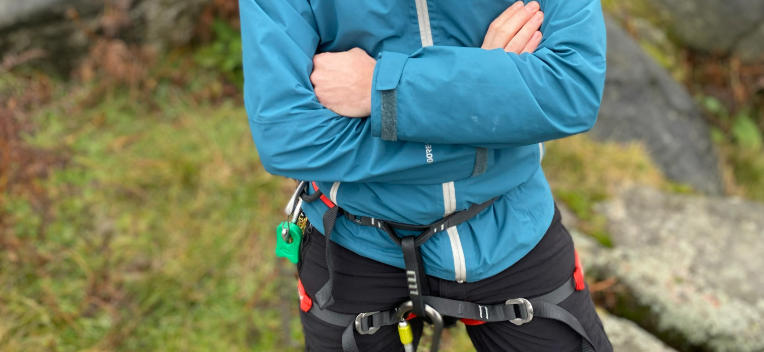
Rock climbing is not only an exhilarating sport but also a significant test of endurance and skill. One piece of equipment that often gets overlooked is the climbing belt, an essential accessory that enhances safety and performance. Understanding the role of a climbing belt, how to choose the right one, and its maintenance can make a world of difference in your climbing experience.
Choosing the Right Climbing Belt
When selecting a climbing belt, it’s important to consider factors such as fit, material, and buckle type. A well-fitting belt will keep your climbing gear secure, allowing for better movement and comfort. Most climbing belts are made from durable nylon or polyester, which provide both strength and flexibility. Opt for a belt with a closure system that you find easy to adjust, as comfort and security are paramount when you’re hanging high above the ground. Don’t forget to try it on with your climbing harness to ensure a comfortable fit, as your climbing gear will often work in conjunction with one another.
Understanding the Function of Climbing Belts
While climbing harnesses play a crucial role in keeping you safe, a climbing belt serves several practical purposes. It can be used to hold gear, such as quickdraws and carabiners, easily accessible while you’re scaling a cliff or rock face. Additionally, many climbers use their belts to store chalk bags, making them an integral part of the climbing ecosystem. Beyond climbing, a versatile belt can double as a support system for your climbing equipment during hikes or approaches to climbing routes. This multifaceted use makes it a staple for both novice and experienced climbers alike.
Proper Maintenance for Longevity
Like any piece of climbing gear, it’s essential to keep your climbing belt well-maintained to ensure its durability and safety. Inspect your belt regularly for signs of wear, such as fraying or broken buckles. Clean your climbing belt according to the manufacturer’s guidelines, usually by hand-washing with mild detergent and air drying. Avoid harsh chemicals or high temperatures, which can damage the material. Proper storage—in a cool, dry place away from direct sunlight—can help preserve the strength and flexibility of your belt over time.
Conclusion
Understanding the importance of a climbing belt can enhance your rock climbing adventures significantly. Whether you’re a newcomer just starting out or a seasoned pro seeking to optimize your gear, choosing the right climbing belt, understanding its functions, and maintaining it well are all crucial steps in the climbing journey. Don’t hesitate to explore your options and invest in the right equipment that will keep you secure and enhance your climbing experience! Happy climbing, and stay safe out there!