
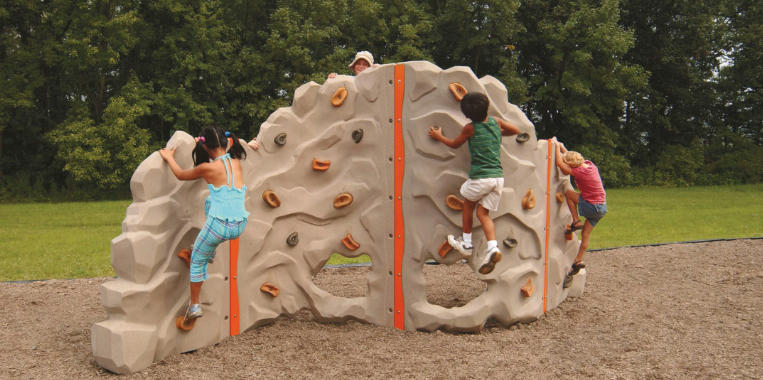
In recent years, playgrounds have evolved from simple swing sets and slides to exciting adventure zones that encourage physical activity and imaginative play. One standout feature gaining popularity is the rock wall, which offers children a unique opportunity to develop their climbing skills while having fun. In this blog post, we’ll explore the benefits of playground rock walls, safety considerations, and tips for choosing the right one for your playground.
The Benefits of Playground Rock Walls
Playground rock walls are more than just fun; they provide a range of physical and mental benefits for children. Climbing helps develop strength, coordination, and balance, enhancing overall fitness levels. It also promotes problem-solving skills as kids navigate their way up, selecting the best holds and managing their body movements. Beyond the physical advantages, climbing can build confidence, as children face the challenge of reaching new heights—both literally and figuratively. This type of engaging play can foster a love for outdoor activity, helping to combat sedentary tendencies in today’s screen-centric world.
Safety Considerations for Rock Walls
While climbing is thrilling, safety is paramount when it comes to playground equipment. A well-designed rock wall will have features like textured surfaces for grip, a suitable height for the age group, and protective padding at the base to cushion falls. It’s also essential to ensure that the climbing wall is constructed from durable materials that can withstand wear and tear. Regular inspections and maintenance are crucial to ensure the wall remains safe and in good condition. Encouraging children to use proper climbing techniques and to wait their turn can greatly reduce the risk of accidents, making the experience enjoyable for everyone.
Choosing the Right Rock Wall for Your Playground
When selecting a playground rock wall, consider the age range and skill levels of the children who will use it. Walls designed for younger children may have larger holds and a gentler incline, while those meant for older kids can present more challenging routes with varied grips. Look for manufacturers that prioritize safety and compliance with industry standards. Having a variety of routes can help accommodate different skill levels, ensuring that every child can engage with the wall comfortably. Design elements like color and themes can also make the wall visually appealing, enhancing the overall playground experience.
In conclusion, playground rock walls are an excellent addition to any play area, offering children a chance to exercise, improve their skills, and have fun in a safe environment. If you’re considering adding one to your community playground or backyard, be sure to prioritize safety, choose the right design, and think about how to make it engaging for kids. Dive into the world of climbing and watch your children flourish both physically and socially!