
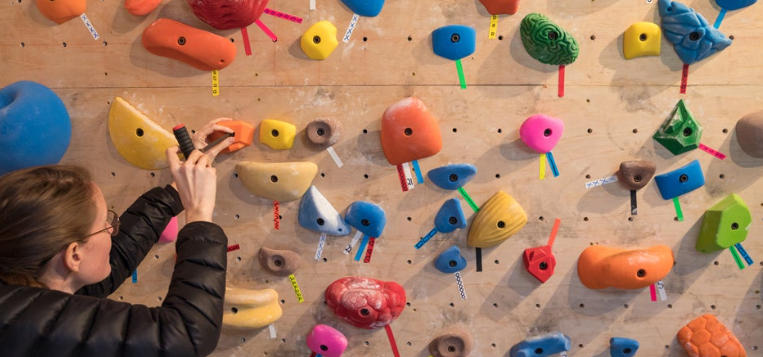
Creating a climbing wall at home can be an exciting and rewarding venture for both seasoned climbers and beginners. Choosing the right climbing holds is crucial as they significantly influence the difficulty and fun of your climbing experience. This blog post will explore various aspects of climbing holds specifically designed for home walls, helping you make informed choices.
Understanding Different Types of Climbing Holds
When setting up your home climbing wall, it’s essential to understand the different types of climbing holds available. Generally, holds fall into several categories: jugs, slopers, crimps, pinches, and pockets. Jugs are large and easy to grip, making them ideal for beginners. Slopers require a more open hand and rely on friction, adding a fun challenge. Crimps and pinches test finger strength and are perfect for advanced climbers looking to up their game. Each type offers unique challenges that cater to varying skill levels and training goals.
Choosing the Right Material and Texture
Climbing holds come in various materials and textures, impacting both grip and durability. Polyurethane and polyester are common materials; polyurethane holds typically offer a better grip, while polyester holds tend to last longer. Additionally, texture plays a vital role in safety and performance. Rougher textures provide better grip, particularly in outdoor settings or when climbing in sweaty conditions. However, smoother holds can be more comfortable for long training sessions. Consider your wall’s environment and your climbing style when selecting the material and texture of your holds.
Spacing and Layout for Optimal Training
The spacing and layout of your climbing holds are critical to creating an effective training environment. A well-thought-out arrangement can enhance your climbing experience by offering varied routes that target different muscles and skills. Begin by placing holds at varying heights and distances to create a range of routes from easy to challenging. Consider adding holds in different angles and orientations to mimic natural climbing scenarios. Make sure to regularly change your routes to keep your training fresh and engaging, allowing for constant improvement and adaptability.
In conclusion, setting up a home climbing wall can be a fun and rewarding way to improve your climbing skills. By understanding the different types of climbing holds, selecting the right materials, and carefully planning the layout, you can create an engaging and effective training space. Don’t hesitate to explore different holds and patterns as you climb your way to new heights! For more tips and insights, consider diving deeper into the world of climbing holds or reach out to your local climbing community to exchange ideas. Happy climbing!