
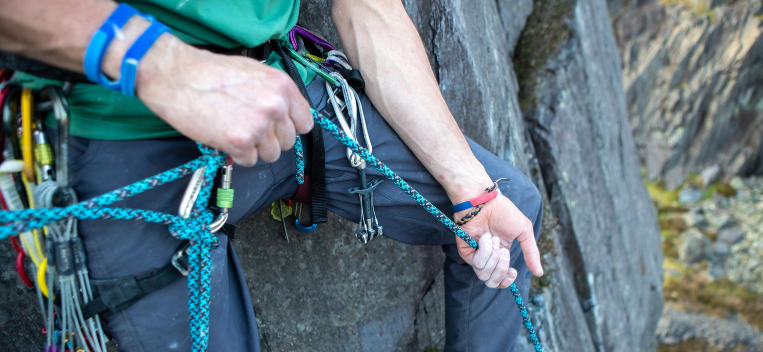
Rock climbing is an exhilarating sport that combines physical strength, mental focus, and a deep connection with nature. One critical component of this activity that often gets overlooked is the rope. Understanding the types, uses, and maintenance of climbing ropes can enhance safety and performance, making it essential knowledge for both beginners and experienced climbers alike.
Types of Climbing Ropes
There are primarily two types of climbing ropes: dynamic and static. Dynamic ropes are designed to stretch under load, which helps absorb the impact of a fall, making them suitable for lead climbing and sport climbing. They typically come in various diameters and lengths to cater to different climbing styles and preferences. On the other hand, static ropes have little to no stretch and are commonly used for activities like rappelling, rescue operations, or hauling gear. Knowing the right type of rope for your climbing activity is crucial for safety and efficiency.
Choosing the Right Rope Length and Thickness
Selecting the appropriate length and thickness for your climbing rope is essential. Climbing routes can vary significantly in height, so having a rope that is long enough to reach the ground safely after a climb is key. Most outdoor climbing routes in moderate to advanced levels require a rope length between 60 to 70 meters. Additionally, the thickness of the rope also plays a role in its durability and weight. Thicker ropes (around 10-11mm) offer more durability and longevity, whereas thinner ropes (around 8-9mm) are lighter and can enhance performance. Always consult a professional or experienced climber for advice tailored to your climbing style.
Rope Care and Maintenance
Proper care and maintenance of your climbing rope can significantly prolong its lifespan and ensure safety. It’s crucial to inspect your rope regularly for any signs of wear, such as fraying or cuts, as this can compromise its integrity. After each use, especially in harsh conditions, it’s advisable to clean the rope with water and mild soap, then hang it to dry in a shaded area to prevent UV damage. Storing the rope in a cool, dry place away from direct sunlight and sharp objects also aids in maintaining its quality. Regular maintenance not only protects your investment but also enhances your safety while climbing.
In conclusion, understanding and caring for your climbing rope is vital for both performance and safety in rock climbing. Whether you are just starting or seeking to improve your climbing skills, knowing about rope types, lengths, and maintenance can help you make informed decisions. If you’re eager to learn more, seek out local climbing courses or connect with experienced climbers who can provide hands-on advice and tips. Happy climbing, and stay safe out there!