
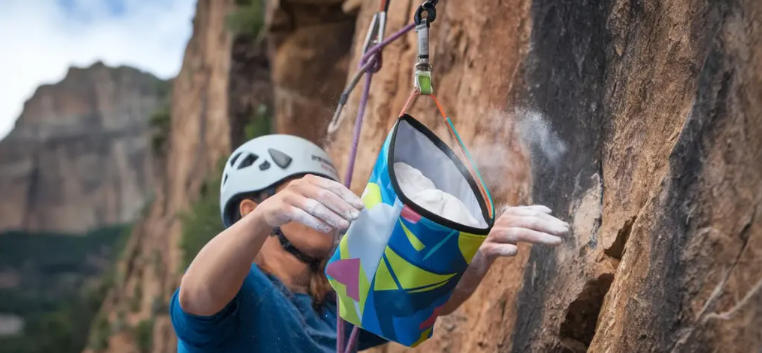
Bouldering chalk is an essential tool for climbers, helping to enhance grip and improve performance on the wall. Whether you’re a seasoned climber or just starting out, understanding the role of chalk in bouldering can significantly elevate your climbing experience. In this blog post, we’ll explore the types of bouldering chalk available, its benefits, and some tips for proper use.
What’s Inside Your Chalk Bag?
When you think of bouldering chalk, you might picture a simple white powder. However, there are two main types to consider: magnesium carbonate and liquid chalk. Magnesium carbonate is the traditional option, favored for its effective moisture-wicking abilities. It comes in various forms, including loose powder, chalk balls, and blocks. Liquid chalk, on the other hand, offers convenience and longer-lasting grip by applying a liquid that dries to create a chalky finish. Understanding the differences can help you choose the best option for your climbing style and preference.
Benefits Beyond Better Grip
The primary purpose of bouldering chalk is to improve grip by reducing moisture on your hands. However, the benefits extend beyond just traction. Chalk can also prevent excessive skin wear by creating a smoother surface on your fingers, allowing for longer climbs and less risk of injury. Additionally, using chalk can help boost confidence, allowing climbers to push their limits without fear of slipping. This psychological aspect is often overlooked but plays a crucial role in performance and enjoyment in bouldering.
Best Practices for Using Chalk
Using chalk effectively is not just about applying it liberally; there are best practices that can optimize its benefits. First, it’s essential to apply chalk sparingly and to keep your hands dry before climbing. A chalk ball can help control the amount used and reduce waste, making it easier to maintain the right balance. Also, remember to clean your hands before each climb to keep the wall clean and safe for others. Lastly, don’t forget to store your chalk in a breathable bag or container to prevent it from becoming damp or clumpy.
In conclusion, bouldering chalk is more than a simple accessory—it’s a fundamental tool for any climber looking to enhance their performance and enjoyment. By understanding the types of chalk available, their benefits, and best practices for use, you can ensure you’re fully prepared for your bouldering sessions. So grab your chalk, hit the gym or the outdoors, and start climbing with confidence! If you’re eager to learn more about bouldering techniques or gear, keep exploring!