
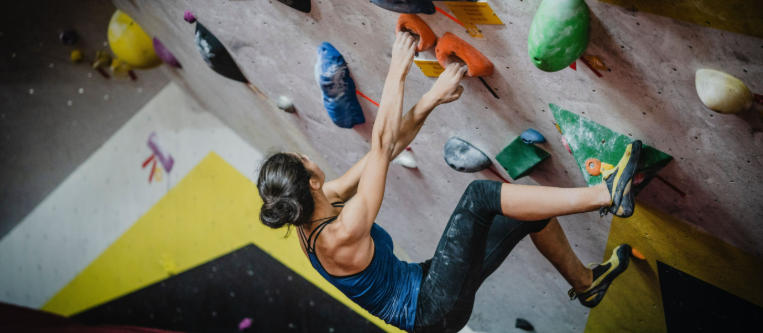
Bouldering is a thrilling and physically demanding sport that challenges climbers to scale rock walls without the use of ropes. A critical element of bouldering lies in the different kinds of holds found on climbing walls. Understanding these holds can significantly improve your climbing technique and overall performance, making this topic both relevant and essential for climbers of all levels.
Types of Bouldering Holds
Bouldering holds come in various shapes and sizes, each offering a unique challenge and requiring different techniques to master. Common hold types include crimpers, slopers, jugs, and pinches. Crimpers are small and often require a strong grip with your fingertips, ideal for steep routes. On the other hand, slopers have a larger, often rounded surface that demands a more open hand grip, focusing on body tension and balance. Jugs are the most user-friendly holds, allowing for a comfortable grasp, while pinches require you to squeeze the hold with your thumb and fingers, engaging your forearm muscles effectively. Knowing the differences not only helps you identify your strengths and weaknesses but also allows you to strategize and plan your climbs effectively.
Techniques for Using Holds
Utilizing bouldering holds effectively involves more than just grabbing onto them. Body positioning plays a crucial role in how you engage these holds. For instance, when using slopers, leaning your body into the wall enhances your grip significantly. Conversely, for crimpers, ensuring your feet are well-placed can help distribute your weight, allowing your fingers to bear less strain. It’s also important to experiment with different movements and body angles to find what works best for you. Practicing these techniques during your climbing sessions will allow you to tackle more advanced routes with confidence.
Improving Your Grip Strength
Grip strength is a vital aspect of bouldering, and training it can make a significant difference in your climbing ability. Simple exercises like dead hangs from a pull-up bar or using grip trainers can help enhance your grip strength over time. Additionally, incorporating climbing-specific training sessions that focus on various holds can be beneficial. As you build strength, your confidence on harder routes will grow. Remember, strength takes time to develop, so be patient and consistent in your training efforts.
In conclusion, understanding bouldering holds and mastering the associated techniques can dramatically enhance your climbing experience. By familiarizing yourself with different types of holds, practicing effective body positioning, and focusing on grip strength, you’ll set yourself up for success on the wall. So grab your climbing shoes, hit the gym, and explore the world of bouldering holds. Happy climbing!